













NAMED ONE OF AMERICA’S TOP PLASTIC SURGEONS
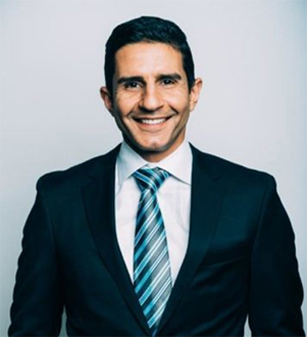
Patient Favorite and Multiple Award Winner
Dr. Shahram Salemy Provides:
- Customized Treatments
- Natural-Looking Results
- Compassionate patient Care in Safety-
Rated AAAASF-Accredited Medical Clinic
Call Now For A Private Consultation
206.467.1101
206.467.1101
Schedule consultation

Seattle Tummy Tuck

What is a Tummy Tuck?
A tummy tuck, or abdominoplasty, is a plastic surgery procedure that removes excess abdominal skin and fat, tightens the skin on the abdomen, and helps patients achieve a smoother, flatter stomach and more slender look. We all desire a flat, youthful tummy. However, age, child bearing, lack of exercise and weight gain are the enemies in this battle. A tummy tuck (Abdominoplasty) is an excellent option to help reverse the adverse effects of this battle. In addition, Dr. Salemy designs the procedure to narrow the waist and tighten the abdominal muscles that often loosen with pregnancy, time or age, and he does so through a limited incision placed very low in the bikini line. This comprehensive and detailed approach gives Dr. Salemy’s Seattle tummy tuck patients the youthful, flattened and narrowed waistline they desire.Benefits of a Tummy Tuck
The goal of a tummy tuck surgery is primarily cosmetic, to improve the appearance of the abdomen. However, there are additional benefits to this procedure as well:
Improved Abdominal Contour
A tummy tuck can help you achieve a flatter abdominal contour that diet and exercise alone may not be able to provide. This can be especially helpful for women who have stretched abdominal muscles and skin due to pregnancy or people who have lost a significant amount of weight. A tummy tuck can help achieve a more toned, taut, and defined midsection.
Tighter, Smoother Skin
In addition to improving the overall profile and contour of the abdomen, a tummy tuck also removes excess skin. Individuals who have lost significant weight but struggle with loose, sagging skin as a result can benefit from abdominoplasty.
Boost in Self-Confidence
Patients who have undergone a tummy tuck report feeling more confident in their bodies, which can contribute to more positive life experiences.
Who is a Good Candidate for a Tummy Tuck?
The best candidates for abdominoplasty are in good physical condition with pockets of fat or loose skin that haven’t responded well to diet and exercise. We can also help older, slightly obese people whose skin has lost some of its elasticity.
Abdominoplasty can also be useful for weight loss, and for women with stretched skin and muscles from pregnancy. Results from the tummy tuck procedure will likely diminish if women continue to bear children, so we advise patients who plan to become pregnant to delay abdominoplasty.
We also encourage patients who intend to lose a lot of weight to wait before undergoing the procedure, since skin in the abdominal area typically loosens after substantial weight loss. Patients who want a tummy tuck surgery due to weight loss should be at their goal weight before the surgery.
Finding the Right Surgeon in Seattle
Researching Board-Certified Plastic Surgeons
When researching tummy tuck surgeons in Seattle, you’ll want to check their credentials and verify that they are board-certified by the American Board of Plastic Surgery, which guarantees that the surgeon has undergone rigorous training and has the necessary skills and qualifications to perform the procedure safely and effectively. (Learn more about which board certification matters). Having the peace of mind of knowing that you are in the hands of a qualified and experienced surgeon can be priceless.
Reading Patient Reviews and Testimonials
Additionally, it can be essential to read testimonials and reviews from previous patients. Doing so can help you gain valuable insight into a surgeon’s track record, communication skills, bedside manners, and the results they achieved. You can find reviews on the surgeon’s website, social media pages, and third-party review sites like RealSelf and Yelp.
Consultations
Once you’ve zeroed in on potential plastic surgeons, you’ll want to meet them for a personal consultation. During the consultation, you can expect the surgeon to evaluate your health, examine your abdomen, discuss your aesthetic goals, outline realistic expectations, and detail what you can expect during and after the procedure.
This is also a good time to ask questions – for example, about the surgeon’s experience, the surgical facility, and the recovery process. Also ask to see before-and-after photos of the surgeon’s previous tummy tuck surgery patients.
You’ll also be provided with a list of pre-operative instructions, including which medications and foods to avoid, as well as arranging for someone to accompany you on the day of the procedure.
Choosing the right surgeon for you comes down to many factors, but feeling comfortable and confident in their ability to help you meet your goals shouldn’t be overlooked.
Customized Treatment for Optimal Cosmetic Results
Dr. Salemy makes it a point to take the time in our Seattle clinic during every pre-operative consultation to learn what his patients want to achieve from a tummy tuck both for their bodies and for their self-confidence. By listening to what patients have to say and closely examining them rather than performing a one-size-fits-all procedure on every person, Dr. Salemy provides patients with a completely customized treatment that takes into account their specific goals and individual needs. Patients also learn during their consultations with Dr. Salemy what to expect during their procedure and their recovery.
The Tummy Tuck Procedure
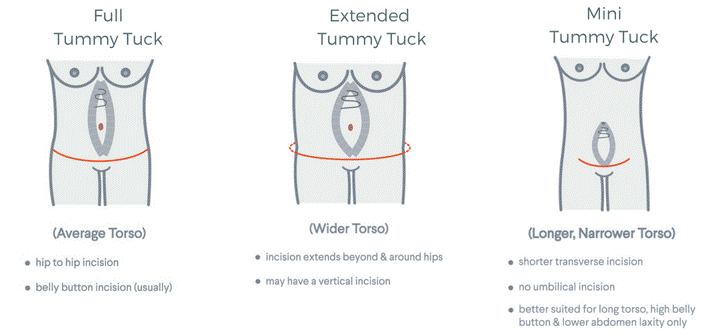
Each Tummy Tuck procedure is customized for the individual patient’s needs. Generally, there are three different types of tummy tucks:
- Full Tummy Tuck: This is the most common type of tummy tuck. This type of Tummy Tuck is best for patients with lax abdominal muscles, excessive fat, or loose skin, who want to remove the excess fat and skin and tighten muscles.
- Extended Tummy Tuck: This procedure requires a longer incision and is recommended for people with extensive problem areas (e.g., in the back, lower chest and upper abdomen) and/or excessive skin in the trunk. This procedure is ideal and can be dramatic for people who would like to restructure their abdomen after substantial weight loss.
- Mini Tummy Tuck: This is designed for people with generally good skin and muscle tone but who have loose skin and excessive fat localized in their lower abdomen, below their belly button. This procedure requires a shorter incision.
Abdominoplasty takes approximately two to three hours under general anesthesia. Dr. Salemy will make two incisions: one from hipbone to hipbone close to the pubic area, and another around the navel. He will separate the skin from the abdominal muscles, which are then pulled together and stitched into place for a firmer abdomen and narrower waist. Dr. Salemy will then redrape the skin flap down and over the newly tightened muscles, remove excess skin, and reattach the navel in a natural position. Finally, he will close the incisions and apply sterile surgical dressings over the sutured areas.
A temporary tube will be inserted to drain excess fluid from the surgical site during recovery.
Recovery after Abdominoplasty
How much downtime after tummy tuck surgery is needed? Though safe, tummy tucks are still surgical procedures, so patients should plan on a recovery time and downtime of about two weeks after a tummy tuck, with additional time for full healing. During this period, patients should avoid any strenuous labor and have someone to help them during their daily routine.
Patients should adhere to the aftercare instructions given by their surgeon to promote proper healing. Additionally, your surgeon will furnish you with guidelines on how to attend to your dressing and drains.
Throughout the recovery phase, you may experience some level of discomfort, swelling, and bruising in your midsection. To mitigate these symptoms, your surgeon may recommend pain medication.
Patients should also have a healthy diet plan in place, in order to ensure that the results of their procedure are long-lasting.
Tummy Tuck Results
Abdominoplasty will leave a scar spanning the lower abdomen from hip to hip. Dr. Salemy is very careful to make the incision low enough for even a bikini to conceal the scar.
How Long Does a Tummy Tuck Last?
Generally speaking, with a balanced diet and regular exercise, results are long-lasting. How long the results of a tummy tuck last depend on a number of factors, but one of the most important factors is maintaining a healthy weight.
Gaining a significant amount of weight after your tummy tuck surgery can compromise your results as weight gain stretches skin and muscles in the abdominal area, thereby undoing the results of tummy tucks. For this reason, it is recommended that patients be at or near their ideal weight before undergoing the procedure.
The natural aging process can also affect how long a tummy tuck can last. As we age our skin loses elasticity and our muscles can weaken. The good news is even with the natural aging process, many patients are able to enjoy the benefits of their tummy tuck surgery for many years, especially if they continue to prioritize their health and wellness.
Risks of Abdominoplasty
Though rare, post-operative complications from surgery are possible. They may include infection, blood clots, and poor healing, which may require further surgery.
Patients who have had previous abdominal surgery should know that their old scars could be raised, stretched or generally more noticeable after the procedure. A scar revision procedure after abdominoplasty may minimize the appearance of an unsightly scar.
What’s the Difference Between a Tummy Tuck and Liposuction?
We all desire a toned, youthful physique but sometimes find it unachievable through exercise and dieting alone. Thanks to modern medicine, surgical procedures such as liposuction and tummy tuck are available to help you achieve the slimmer profile you want. But what is the difference between the two procedures?
Both procedures can help shape and contour the mid body, but while Liposuction specifically removes excess body fat, especially stubborn pockets of excess belly fat, a Tummy Tuck may be the only option for patients challenged by thin, stretched or excess skin and stretched or lax abdominal muscles that occurs as a result of pregnancy, time or age. Ultimately it is after understanding a patient’s aesthetic goals and evaluating a patient’s anatomy and physique that a qualified plastic surgeon can determine and recommend the best procedure for a patient’s unique situation. In some cases, both procedures may be recommended and undertaken.
Combining a Tummy Tuck with Other Plastic Surgeries
The combination of a tummy tuck with other procedures such as liposuction or breast augmentation can often be a more time and cost-efficient option than having the procedures performed separately. Mommy makeovers, for example, often combine these three surgeries and are particularly popular. Ultimately your surgeon will determine if you are a suitable candidate for combining procedures.
Learn more about the difference between a Tummy Tuck and Liposuction.
Contact us today to schedule a Tummy Tuck (abdominoplasty) consultation in our Seattle office!
Click here to see Before and After Photos of a Tummy Tuck (abdominoplasty)
Click here to read frequently asked questions about Tummy Tuck (abdominoplasty)
NAMED ONE OF AMERICA’S TOP PLASTIC SURGEONS
Patient Favorite and Multiple Award Winner
Dr. Shahram Salemy Provides:
- Customized Treatments
- Natural-Looking Results
- Compassionate patient Care in Safety-
Rated AAAASF-Accredited Medical Clinic
Call Now For A Private Consultation
206.467.1101
206.467.1101
Schedule consultation